
A fiber installation should move through defined stages, with an owner and a deliverable for each stage. Use the sequence below to keep construction and commissioning aligned.
Read MoreAuthor: Staff
Warehouse Fiber: Routes, Cabinets and Cutover Planning
A warehouse backbone connects network cabinets across a large floor area. Plan it around rack layouts, loading operations and the equipment each cabinet serves.
Read MorePlanning Fiber Capacity for Future Security Equipment
Expansion planning starts with a list of expected devices and the paths their traffic will use. Buying more strands alone does not establish a workable upgrade path.
Read MoreFrom Optical Fiber to Installed Cable

Manufacturing the glass fiber and assembling a finished cable are different steps. When buying an installation, the relevant deliverable is a specified, traceable cable system that suits its route.
Read MoreHow Fiber Links Carry Network Traffic
A fiber link uses optical transmitters and receivers to move data between network devices. Its useful speed and reach depend on the entire link, including the equipment and connections.
Read MorePlanning a Business Fiber Connection

Define endpoints, separate internal cabling from carrier service, and compare the full scope of a business fiber connection.
Read MoreFiber Optic Backbones for Commercial Security Cameras
Plan camera uplinks with traffic estimates, remote power, compatible optical equipment and separate cable and recording acceptance checks.
Read MoreFiber Infrastructure for Perimeter Security
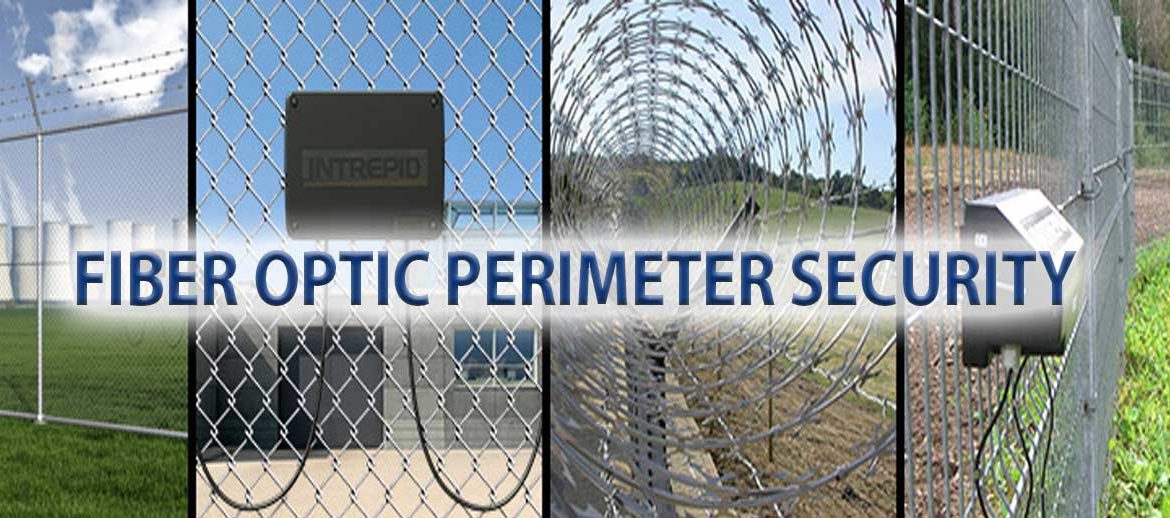
Perimeter projects can use fiber as the communications backbone for remote cameras, intercoms, gate controllers, or other security equipment. Fiber-based intrusion sensing is a separate application and must be evaluated…
Read MorePlanning Fiber Backbones for Security Networks
A security-network backbone joins equipment rooms, buildings, and field cabinets into a maintainable physical network. The design should explain how each fiber link supports the intended cameras, access-control equipment, and…
Read MoreFiber Infrastructure for Retail Security Networks
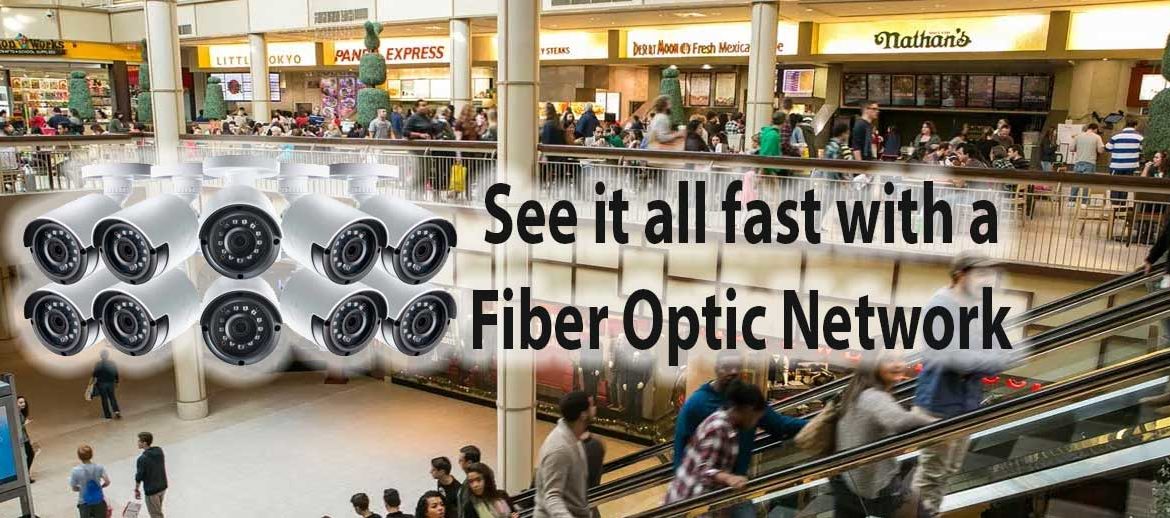
For a commercial retail property, fiber planning should connect security needs to the building infrastructure: camera aggregation points, equipment rooms, remote parking areas, and any links between buildings. This resource…
Read MoreFiber Termination and Documentation for Critical Facilities
Facilities with demanding operating requirements need clear acceptance criteria for their fiber plant. Termination quality, identifiable endpoints, usable test records, and a controlled maintenance process matter more than broad claims…
Read MoreIndustrial Fiber Infrastructure for Security Systems

Route surveys, production coordination, cutover plans and acceptance records for industrial fiber links.
Read More